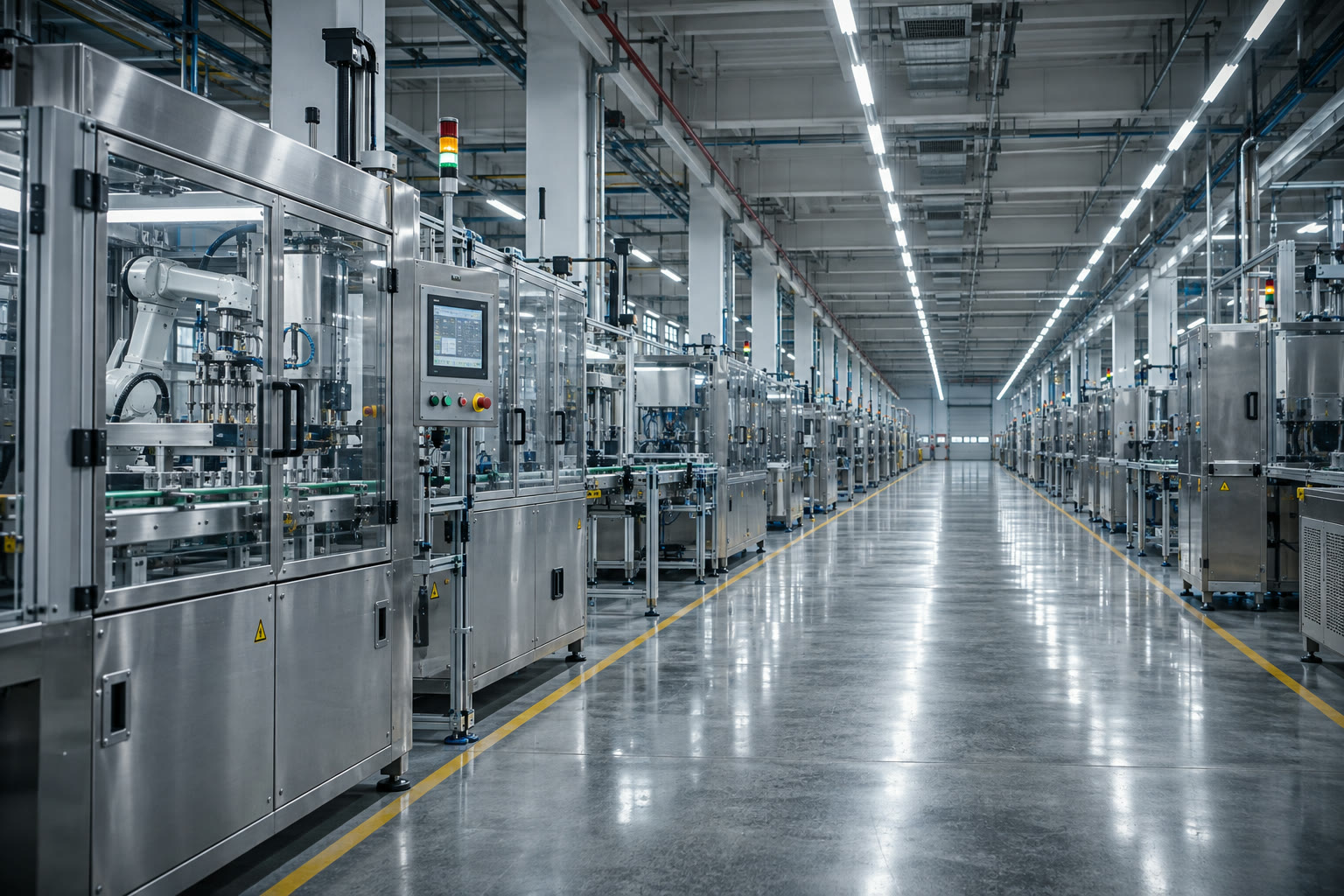
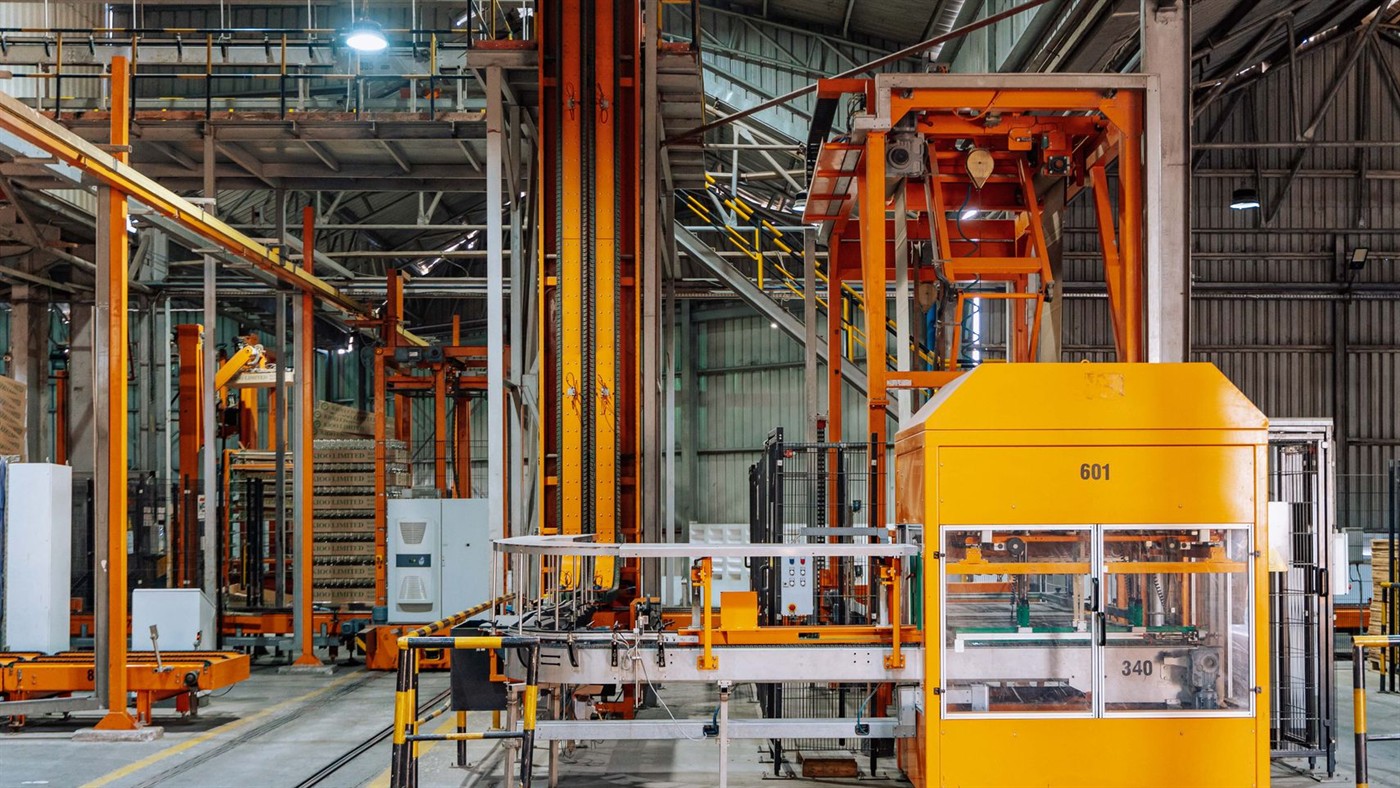
Cut cost, lift output — start with one production line
We are a resident AI delivery team. We replace the repetitive work — inspection records, paperwork, reporting — with systems that actually run, then reconcile with you on hours saved and error rates.
We do not sell a toolset and walk away. From defining the scenario to wiring the systems to getting your team fluent, the AI ends up on the line and at the desk — each step with a deliverable you can sign off.
On a production line, seeing it in person and seeing a screenshot are two different things. Remote where it works; engineers on site where it does not.
The term comes from Palantir: engineers sit down next to the people they serve, wire models into the real systems of work, and answer for the business result.
01
Define the problem first
We ask which step eats the most hours, not which features to build.
02
Build it on site
Built on your floor, tested against real data the same day.
03
Close on business metrics
We close on hours saved and error rates, not on feature counts.
Traditional outsourcingFDE on-site delivery
Requirements decided in a meeting room, development done far awayEngineers come in and define the problem alongside the business team
Hand over a system and leave configuration and training to the clientDevelopment on site, validated with real data as it is built
Acceptance checks whether the feature list is finishedAcceptance on business metrics; if they miss, we keep fixing
Go-live is the end; further operations need a new contractWe stay through the first cycle after go-live and only withdraw once results hold
Business understanding and rules stay with the vendorSource code, data and documentation all belong to you
FDE Services
Six capability areas the whole AI journey
From seeing the opportunity, to system go-live, to your team actually being able to use it. We deliver in stages, and every stage has named deliverables and acceptance criteria.
01
Enterprise AI Assessment and Planning
We inventory candidate use cases process by process, assess feasibility, model the return, and hand back an actionable opportunity list with a year-by-year rollout roadmap.
Use-case inventory
Feasibility assessment
ROI modelling
02
AI Agent Development
Service, Q&A and document agents wired into your systems.
Knowledge base
Tool calling
Multi-step flows
03
Workflow Automation
Approvals, data entry, reconciliation — compressed to a fraction.
Approval flows
Document OCR
Report roll-up
04
Systems Integration
ERP, CRM, OA, MES connected. No more data silos.
ERP/MES
CRM/OA
WeCom
05
Private Deployment and Operations
On-premise deployment and data isolation, maintained long term.
Scheduling, reporting and quality records — many still on paper and in spreadsheets.
Who We Serve
The kind of company we work with, sorted by industry, size and structure
Not anyone can run the FDE model, and not every project should. We only take on companies where the conditions are clear — check yourself against the three below before reading on.
01Three conditions to self-check
RepetitionAre there tasks you repeat several times a week? If there are, the value is easy to quantify. If there are not, do not rush to buy AI.
Data availabilityCan the key data be pulled directly from the systems you already run? If not, the collection problem has to be solved first, and the project timeline stretches noticeably.
Organisational readinessIs there one business-side lead willing to be involved end to end? Without that person, most projects stall at the demo.
02Six industries, six entry points
SectorTypical sizeStructureFirst use case to build
Electronics · Industrial equipment500–5,000 peopleMultiple plants and business units; business definitions and IT managed on separate tracksProcess-document Q&A · Automatic inspection reports
Chemicals · New materials300–2,000 peopleHeavily regulated batch production, with strict quality and safety traceabilitySafety procedure Q&A · Batch traceability lookup
Trading · Supply chain50–1,000 peopleDocument-driven; manual entry and reconciliation carry the heaviest loadGoods-in/out document OCR · Automated reconciliation checks
Medical devices · Equipment200–1,500 peopleRegistration- and regulation-driven, with strict document compliance reviewRegistration paperwork · Regulatory change tracking
Energy · Utilities1,000+ peopleDistributed sites; field work varies in how well it is standardisedStructured inspection records · Closed-loop work order dispatch
Parks · Property services50–500 peopleMultiple tenants on fragmented systems; high turnover in front-line staffAutomatic repair dispatch · One front door to many systems
03Different sizes, different approaches
50–300 peopleUsually no dedicated IT or informatics teamAn on-premises appliance that works out of the box, taking none of your operations headcount. Start with the one or two most labour-hungry steps, and within two to four weeks you have before-and-after numbers you can actually compare.
300–1,000 peopleThey have systems and budget, but most are still at the trial stageStart with private deployment so data never leaves. Enter through a step with an obvious before-and-after — an approval flow, document entry — prove it, then roll it out.
1,000+ peopleMultiple plants, multiple systems, multiple definitions of the same metric, data scattered everywhereConnect the data and settle the knowledge first; agent orchestration comes after. On group-scale projects, prove one point first — spreading wide before anything works leaves you unable to accept the result.
On client names and logos: we do not publish them under NDA. We can share them in confidence once an NDA is signed, and arrange site visits to comparable projects.
The first conversation and the on-site assessment are free.
If your requirement is not a fit, we will say so rather than talk around it.
01
First conversation
We get clear on the business situation and where it is stuck, and judge whether this can be done and whether it is worth doing.
02
On-site assessment
Engineers go on site to inventory the processes and the data, and come back with an opportunity list and a priority ranking.
03
Proposal and pricing
Scope, acceptance metrics and price are set out, so you have a proposal you can compare against others.
04
Pilot
We start with one high-value use case as a pilot, live within four weeks for validation.
05
Rollout and operations
Once it proves itself, we replicate into further use cases, with iteration reviews and runtime monitoring.
First pilot
Close a small loop, do not spread wide at once
We put a dedicated price on the first pilot and write it into the quotation. You verify at minimum cost whether this path works, and decide the rest only once it does.
Free assessment
A judgement without paying anything first
Bring a company introduction, a role description or a process diagram. We will give you a preliminary read so you can see the direction before committing anything.
What the assessment gives you
The assessment gives you these four things
The use cases worth doing first, and why
Implementation difficulty, the data you will need, and what we need from your side
Security recommendations, the points where a human confirms, and where the boundary sits
The smallest sensible pilot scope and what to do next